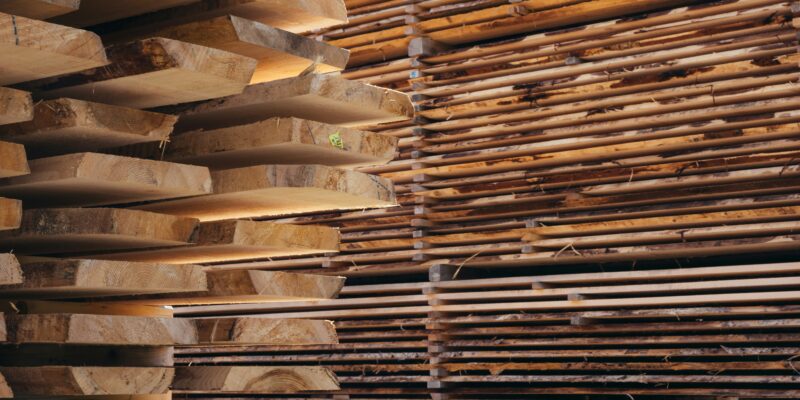
Sustainable architecture continues to grow worldwide in 2026. More architects, developers, and construction companies are searching for materials that reduce environmental impact without compromising durability, strength, or design.
In this context, treated wood has become one of the leading trends in sustainable construction thanks to its ability to combine structural performance, natural aesthetics, and a lower environmental footprint.
In countries such as Mexico, the United States, and Canada, the use of wood in residential, commercial, and tourism projects continues to expand as part of a new generation of environmentally responsible construction.
Sustainable Construction Is Transforming the Industry
Today, the construction industry is focused on reducing emissions and using renewable materials that support more efficient and durable projects.
According to the Food and Agriculture Organization (FAO), wood sourced from responsibly managed forests plays an important role in sustainable development and carbon reduction strategies.
In addition, international organizations and architecture specialists highlight that wood can store carbon throughout its lifespan, helping reduce the environmental impact of buildings.
Why Is Treated Wood Becoming More Important?
Wood has been used for centuries, but modern drying and preservation technologies have completely transformed its performance.
Processes such as:
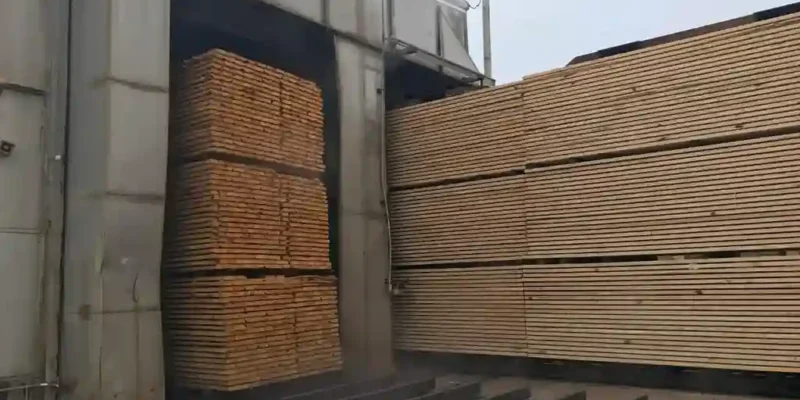
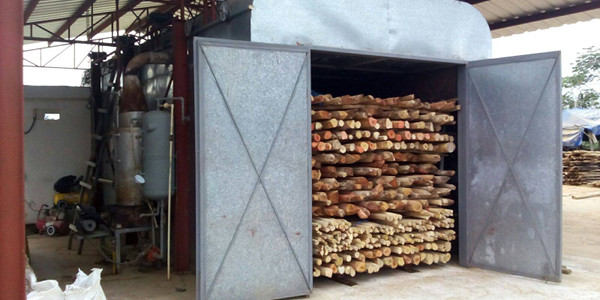
- industrial kiln drying
- autoclave treatment
- protective impregnation
allow wood products to become more resistant to:
- moisture
- fungi
- insects
- extreme weather conditions
The American Wood Protection Association establishes international standards to ensure the quality and protection of treated wood used in outdoor and structural applications.
Thanks to these technologies, treated wood can now be used in highly demanding applications, especially in tropical and coastal regions.
Modern Architecture and Connection With Nature
One of the main global architecture trends in 2026 is the integration of natural materials into modern spaces.
Wood provides:
- natural aesthetics
- visual warmth
- thermal insulation
- harmony with the surrounding environment
This has increased its use in:
- hotels and resorts
- restaurants
- beach clubs
- eco-tourism developments
- sustainable homes
In tourism destinations such as the Riviera Maya and other coastal areas, treated wood has become a key material for projects that seek to combine design, functionality, and durability.
Durability: The Key Factor in Sustainable Projects
Sustainability is not only about using renewable materials; it also involves ensuring long-lasting performance.
When wood receives proper treatment, it can deliver exceptional durability even in humid or high-salinity environments.
Using treated wood helps:
- reduce frequent replacements
- minimize waste
- optimize maintenance costs
- extend the lifespan of structures
This makes treated wood both an environmentally and economically efficient solution.
Technological Innovation in the Wood Industry
The wood industry has evolved significantly thanks to modern preservation and industrial drying technologies.
Specialized companies such as Madera Mac use processes including:
- industrial kiln drying
- autoclave treatment
- wood preservation for tropical climates
to provide durable, high-resistance wood products with export-quality standards.
These technologies are especially important in regions such as the Yucatán Peninsula, where humidity and environmental conditions require materials prepared for extreme climates.
Wood and the Future of Construction
Industry experts agree that sustainable construction will continue to grow in the coming years.
Organizations and sustainable construction platforms highlight that wood will remain one of the most important materials shaping the future of architecture and infrastructure.
As architects and developers increasingly prioritize sustainability, treated wood is becoming a preferred option for environmentally conscious projects worldwide.
Conclusion
Treated wood has become one of the leading trends in sustainable architecture in 2026 because it combines durability, aesthetics, and reduced environmental impact.
Advances in industrial drying and preservation technologies have allowed wood to achieve high levels of resistance, even in tropical and coastal environments.
As the construction industry continues evolving toward more sustainable and efficient models, treated wood will remain a key solution for modern, durable, and environmentally responsible projects.